

When summer comes, applying sunscreen before going out seems to have become a habit. But have you ever stopped to think about what exactly sun protection does? Do you want to know whether there are two options on the market: “physical sunscreen” and “chemical sunscreen”? These are not just terms on packaging, the principles and effects behind them are actually quite different. Today we will learn about the basic knowledge of sunscreen, compare the operation methods and characteristics of physical sunscreen and chemical sunscreen, and help you figure out which one is more suitable for your needs!
What about sunscreen? Any advice on how to apply it?
Sun protection, simply put, is to protect the skin from ultraviolet (UV) damage in the sun. There are two main types of ultraviolet rays: UVA and UVB. UVA is like an invisible killer that can penetrate deep into the skin, causing fine lines, sagging, and spots. UVB is a superficial attacker that can cause sunburn, redness, swelling, and even peeling of the skin. In the long run, if you don’t use sun protection, your skin will age faster and even cause greater health risks.
In Hong Kong, a place with strong sunshine, humidity and heat, ultraviolet rays are present all the time. Sun protection is a skin care step that is required in all seasons. Not only does it help you avoid sunburn, it also slows down aging and keeps your skin healthy and shiny. Therefore, wearing sunscreen is not optional, but a basic daily routine.

Physical sunscreen and chemical sunscreen: the principles are very different
Sunscreen products on the market are mainly divided into two types: “physical sunscreen” and “chemical sunscreen”. Their working methods and effects on the skin are completely different. Understanding how they work can help you make a better choice.
1. Physical sunscreen: a natural barrier that reflects UV rays
- Principle: Physical sunscreen is like placing a layer of small mirrors on the surface of the skin, using natural mineral particles to reflect and scatter ultraviolet rays away, preventing them from entering the skin. It takes effect immediately after application, no need to wait.
- Features: The texture is usually thicker and may feel a little white after application, but these are the natural properties of minerals.
2. Chemical sunscreen: internal transformation of absorbed ultraviolet rays
- Principle: Chemical sunscreen is like a small sponge, absorbing ultraviolet energy, converting it into heat inside the skin and then releasing it. It needs to wait 15-20 minutes after application for it to fully take effect as it relies on chemical reactions to work.
- Features: The texture is light and thin, leaving almost no trace after application and blending into the skin.

Physical vs. Chemical Sunscreen: A Comprehensive Comparison
Both types of sunscreen have their own characteristics, but they are very different in terms of effectiveness, usage experience and impact on the skin. The following is a comparison from several angles, so that you can evaluate the margins yourself to make them more trustworthy.
| Compare | Physical sunscreen | chemical sunscreen | Same effect as protection | A protective layer is formed immediately after application, which has a comprehensive blocking effect on UVA and UVB. Because it purely reflects UV rays, its protective power is stable and will not weaken due to time or environmental changes. As long as you apply it evenly, you can go out immediately. | It takes time to take effect. If it is less than 20 minutes before going out, the protection may not be up to standard. In addition, it absorbs and transforms ultraviolet rays, and its effect will be weakened after sweating or wiping, which makes people worry that the protection is not comprehensive enough. | Same texture when used | The texture is thick, water-resistant and sweat-resistant, making it particularly reliable during outdoor activities or swimming. Although it sometimes turns white, with the advancement of technology, new physical sunscreens have become lighter and lighter, and the whitening problem has been improved. | It is light and thin, and it looks like there is nothing left after applying it. It is suitable for use before makeup. But this lightness comes at a price. In humid or sweaty conditions, it can easily wash away and may even seep into the skin, giving it an unsettling feeling. | effects on skin | Because it only forms a protective layer on the surface of the skin and does not penetrate into the skin, it is particularly gentle for people with sensitive skin or those prone to redness. It uses natural minerals and does not require complex chemical reactions, which reduces the burden a lot. | It has to penetrate into the skin first and work first. Some people may feel tingling or even slight discomfort after applying it. Some studies also show that some chemical sunscreen substances may be absorbed by the skin and even enter the bloodstream, giving people an uneasy feeling, especially those with fragile skin. | New cell | Durability is the same as touch-up | It has strong durability and is not easily washed away by sweat or water, making it suitable for people who spend a long time outdoors. Although there may be some white marks when recoating, the protection is still reliable. | After excessive sweating or swimming, the effect will be significantly reduced and frequent reapplying is required. Although there is no obvious layering when reapplying, if you don’t remember to reapply, the protection will easily appear holes. | New cell | environmental impact | Made of natural minerals, it is environmentally friendly after rinsing and is a friendly choice to the marine ecology and nature. | Some chemicals are accused of flowing into water sources and affecting coral reefs and marine life. In today’s world of environmental protection, this issue really deserves more attention. |
|---|

How to choose your sunscreen?
Physical sunscreen and chemical sunscreen each have different applicable scenarios. The following is an analysis of several common situations, waiting for you to decide which one is more suitable:
1. Daily commuting or indoor work
Chemical sunscreen has a light texture and leaves no trace after application, which may appeal to people who want to put on makeup or are looking for a refreshing feeling. But if you don’t remember to apply it in advance before going out, or if you sweat in the middle, the protection may not be stable enough. Although physical sunscreen is thicker, it takes effect immediately, giving you a more solid sense of peace of mind.
2. Outdoor sports or beach fun
Physical sunscreen is water- and sweat-resistant and remains stable under long-term exposure to the sun, making it especially suitable for sports or water activities. Chemical sunscreen is easy to lose under these circumstances, and it would be troublesome to reapply it frequently.
3. Sensitive skin or children
Physical sunscreen does not penetrate into the skin, is light on sensitive skin or children, is gentle and safe. Chemical sunscreens may cause stinging or discomfort, so people with sensitive skin should use caution when using them.
4. Humid weather or oily skin
Chemical sunscreens are refreshing and may feel more comfortable in humid weather, but if they produce a lot of oil, their effectiveness may be compromised. Although the physical sunscreen is a little thicker, the new model has improved the stickiness and is still a reliable choice.
The correct way to use sunscreen
No matter which sunscreen you choose, good results come first if you use it well. Here are some practical tips:
1. Apply enough
Use an amount about the size of a strawberry (approximately 2 grams) on the face, spread evenly, and provide adequate protection. If the amount is too small, the effect will be greatly reduced.
2. Prepare in advance
Chemical sunscreen should be applied 15-20 minutes before going out to allow it time to take effect; physical sunscreen should be applied immediately and left on, but make sure it is applied evenly.
3. Reapply regularly
Reapply every 2-3 hours outdoors, especially after sweating or swimming, to maintain protection.
4. Don’t miss the edges easily
The ears, neck and lips are places that are easily attacked by the sun, so remember to apply it together.
Sun protection tips and common myths
Sunscreen is your skin partner
Sun protection is not just a summer chore, but a necessary step to protect your skin all year round. Physical sunscreen and chemical sunscreen have their own characteristics: physical sunscreen is effective immediately, is mild and durable, and is harmless to the environment; chemical sunscreen is light and convenient, but it needs to wait to take effect, has weak staying power, and has potential health and environmental concerns. Take your pick and see how you balance your needs for comfort and safety. On days when the sun is everywhere, sunscreen is your skin’s best friend. Are you ready to give your skin a little extra care every day? Become a smart sunscreen user starting today!
-
Product on sale
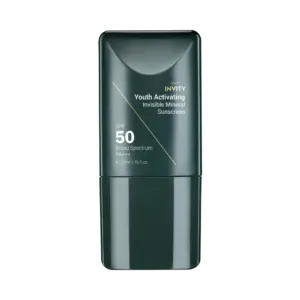 Invity Youth Activating Invisible Mineral Sunscreen SPF50 PA+++
HK$570HK$501.6 -
Product on sale
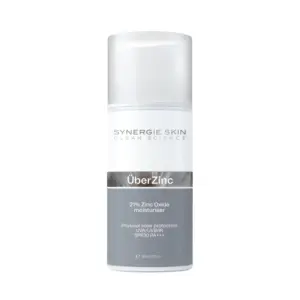 Synergie Skin ÜberZinc Physical Sunscreen (SPF30 PA+++)
HK$460HK$414 -
Product on sale
 Synergie Minerals Second Skin Crush (SPF40 PA++++)
HK$520
HK$468 -
Product on sale
 Synergie Minerals SkinPressive (SPF20)
HK$435
HK$391.5
Frequently Asked Questions (FAQ)
What is chemical sunscreen? How does it protect skin?
Chemical sunscreen absorbs ultraviolet energy through its chemical components, converts it into heat energy and then releases it to protect the skin. It is like a “sponge” on the skin, absorbing harmful ultraviolet rays and preventing them from penetrating the skin and causing damage. Common chemical sunscreen ingredients include Oxybenzone, Avobenzone, Octocrylene, etc. This type of sunscreen usually has a light texture and is almost colorless and sensationless after application. Therefore, it is loved by many people who pursue a refreshing feeling when applied.
What is the main difference between physical and chemical sunscreen?
The most fundamental difference between physical sunscreen and chemical sunscreen lies in their working principle:
- Physical sunscreen: The main ingredients are zinc oxide (Zinc Oxide) and titanium dioxide (Titanium Dioxide). It forms a physical barrier on the skin surface, reflecting and scattering UV rays like a mirror, preventing UV rays from entering the skin. Its advantage is that it takes effect immediately after application, is gentle to the skin, and is suitable for sensitive skin and children. The downside is that the texture can be thicker and sometimes leaves a whitish cast.
- Chemical sunscreen: Contains a variety of chemical ingredients to achieve sunscreen effects by absorbing ultraviolet rays and converting them into heat energy. Its advantage is that the texture is usually thin and refreshing, and there is no whitening after application. The disadvantage is that it needs to wait 15-20 minutes for it to take full effect. Some people may be allergic to its ingredients, and studies have pointed out that some chemical ingredients may be absorbed by the skin.
To put it simply, physical sunscreen is “reflection” and chemical sunscreen is “absorption”. Which one you choose depends on your skin type, usage preferences, and concerns about the longevity of your sun protection and its environmental impact.
Should people with sensitive skin choose chemical or physical sunscreen?
For sensitive skin, it is usually recommended to give priority to physical sunscreen. This is because the physical sunscreen ingredients (zinc oxide and titanium dioxide) only sit on the surface of the skin and are not absorbed by the skin, so there is a lower risk of causing allergies or irritation. In contrast, chemical sunscreen ingredients need to penetrate the skin to be effective, and some chemical ingredients may irritate sensitive skin or cause an uncomfortable reaction.


